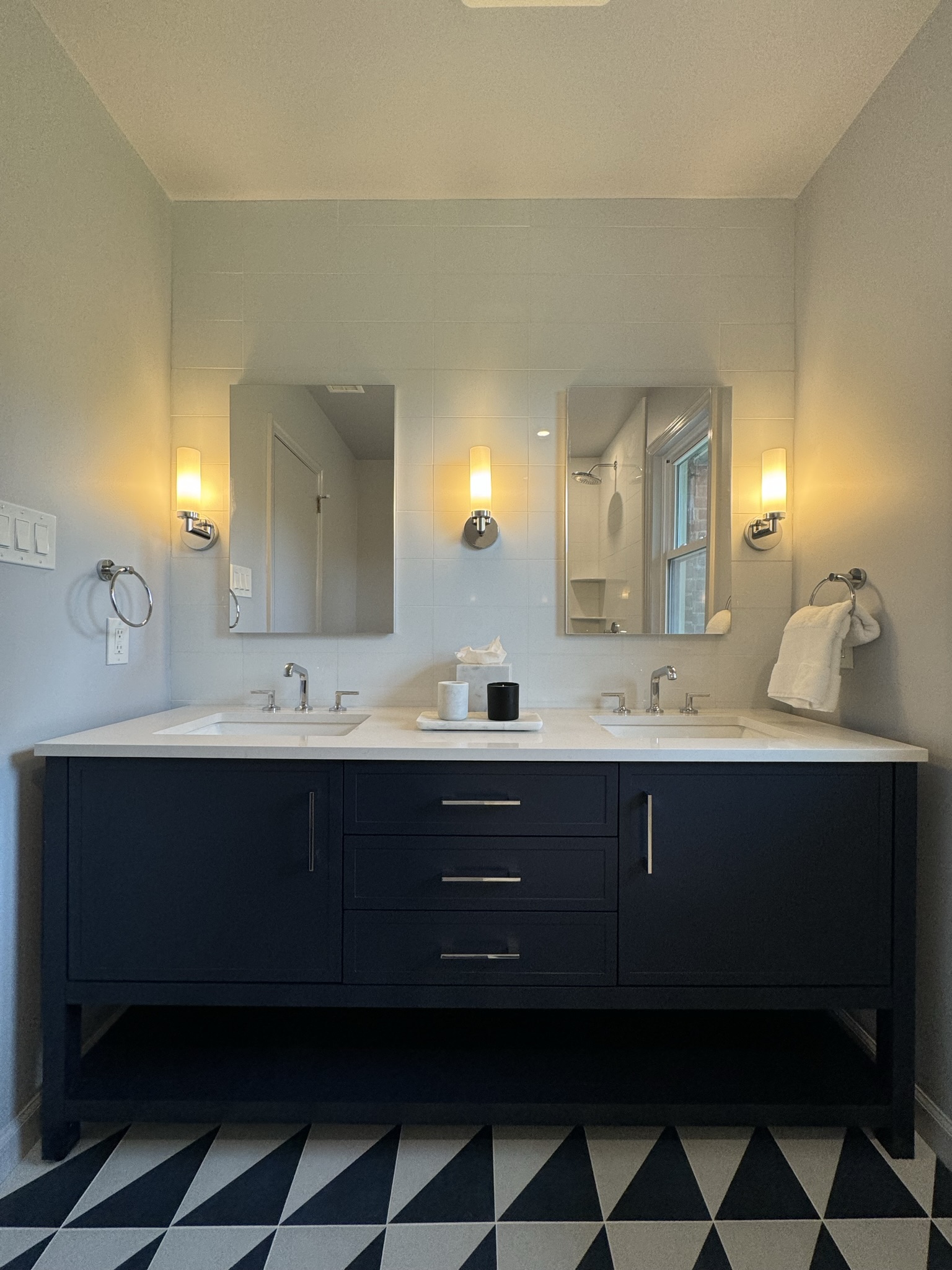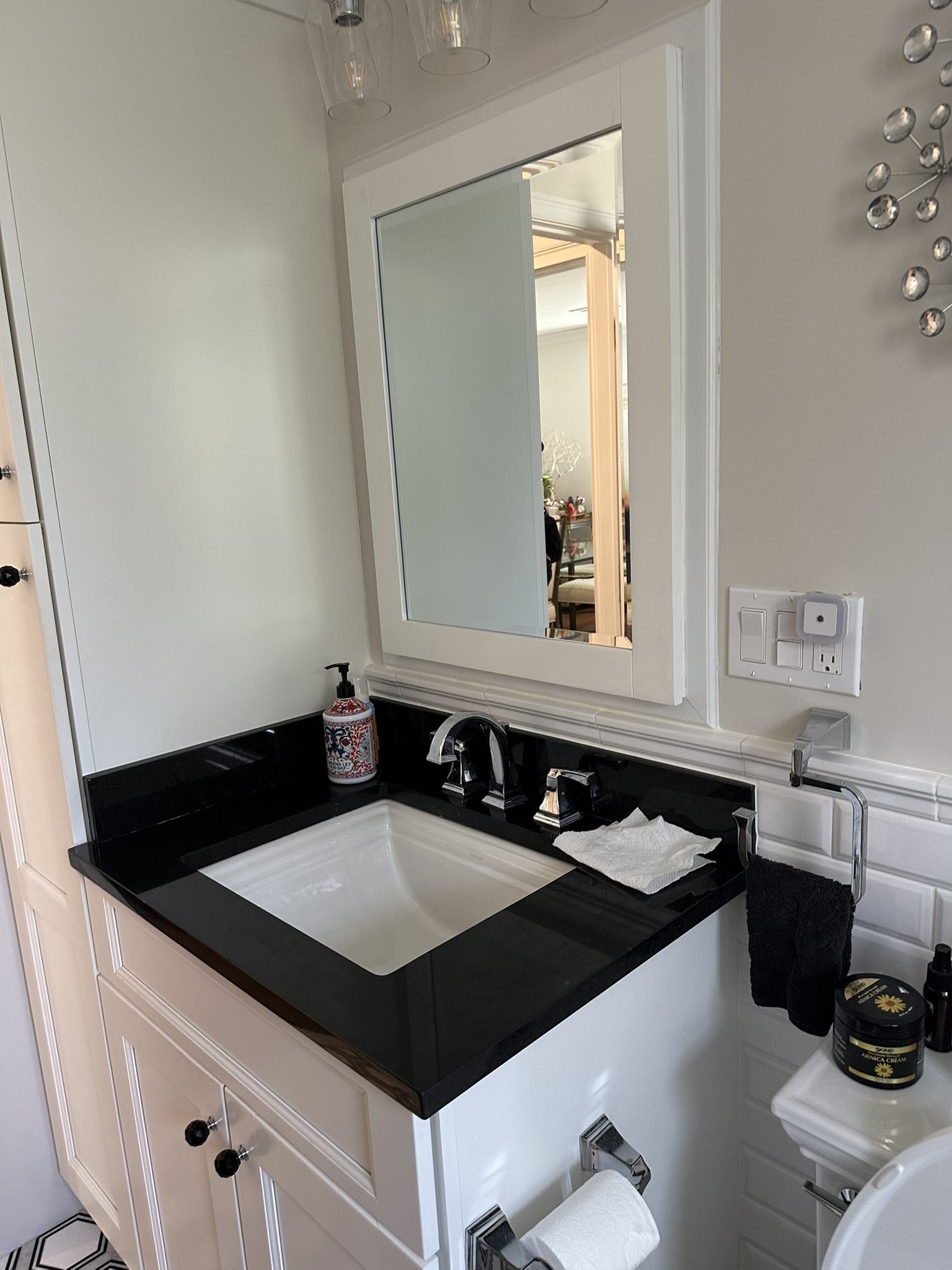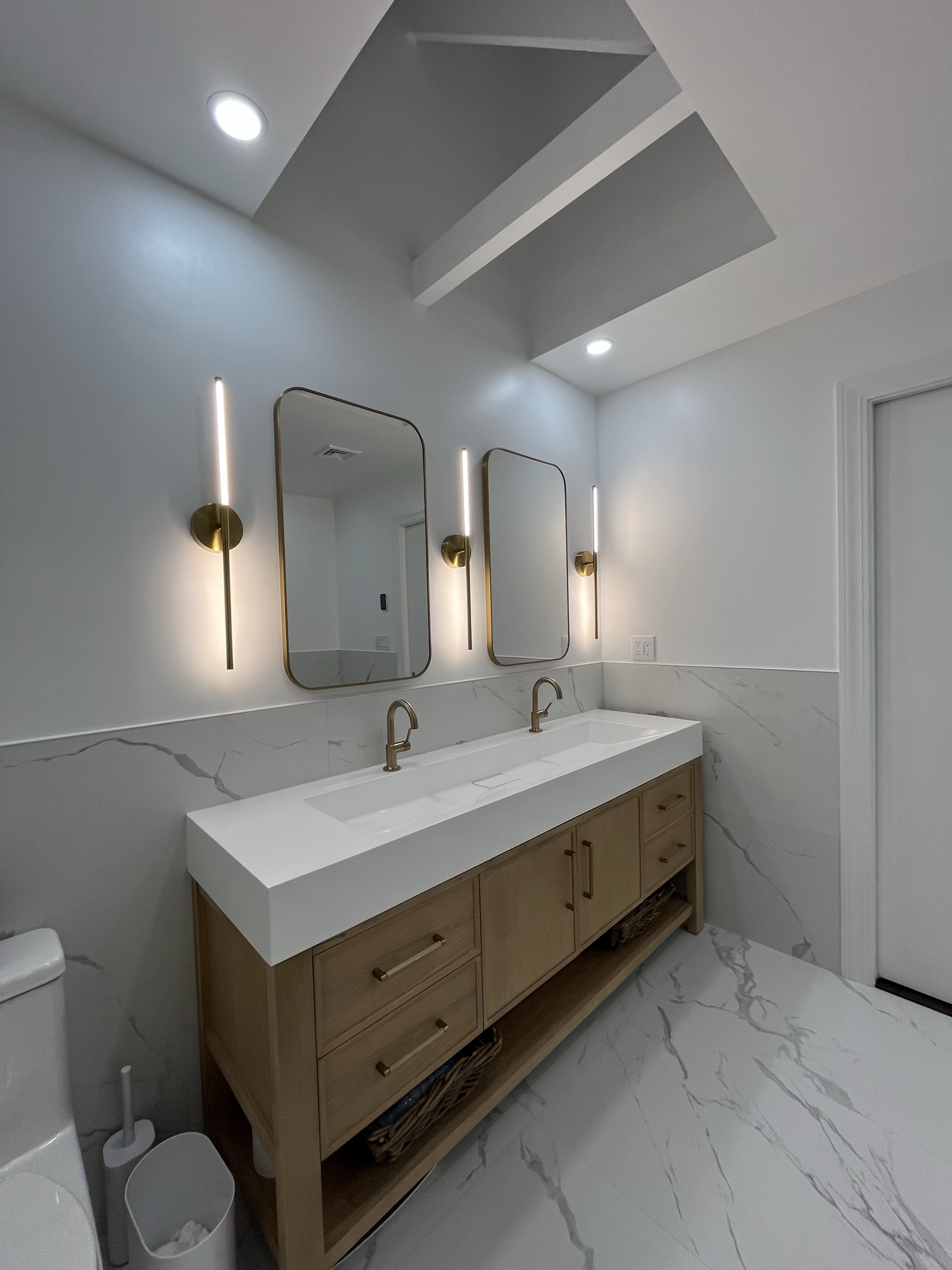
Planning Your Dream Bathroom? Here's What to Budget
A bathroom remodel can be one of the most rewarding home improvement projects you can undertake. It can improve your daily comfort, functionality, and the overall appeal of your Westchester County home. Before starting construction, however, it is important to understand the potential bathroom remodeling costs involved. In this guide, we’ll explain the typical bathroom renovation costs in Westchester County, the factors that influence pricing, and what homeowners should consider when planning their budget.
How Much Does a Bathroom Remodel Cost in Westchester County?
Bathroom remodeling costs can vary significantly depending on the size of the bathroom, the scope of work, materials, fixtures, and the level of customization. In Westchester County, homeowners may spend anywhere from several thousand dollars for a smaller update to $100,000 or more for a high-end or extensive bathroom renovation.
What Affects Bathroom Remodeling Costs?
Several factors can influence the final cost of a bathroom renovation in Westchester County:
Labor: Skilled trades and construction labor can represent a significant portion of the overall budget.
Materials and fixtures: Tile, cabinetry, countertops, plumbing fixtures, lighting, and other finishes can vary widely in price.
Project scope: A cosmetic update will generally cost less than a complete renovation involving new plumbing, electrical work, or structural changes.
Permits and building requirements: Depending on the project, permits and required upgrades can affect both cost and timeline.
Custom features: Walk-in showers, custom vanities, heated floors, premium fixtures, and other upgrades can increase the total investment.
Because every bathroom is different, the best way to understand your potential remodeling cost is to evaluate the existing space, define the scope of work, and select the materials and finishes that fit your goals and budget.
If you’re planning a larger renovation, our Westchester County home renovation cost guide provides additional information about remodeling costs and budgeting for different types of residential projects.
Bathroom Remodeling Cost by Project Type
Understanding the different levels of bathroom remodeling can help you choose the right approach for your home and budget. The cost of a bathroom renovation in Westchester County depends on the size of the space, materials, fixtures, labor, and scope of work. Below are typical bathroom remodeling cost ranges to help you plan your project
Small/Basic Bathroom Remodel: $5,000–$15,000
A small or basic bathroom remodel typically focuses on cosmetic improvements and fixture replacements without major structural changes. This may include a new vanity, faucets, lighting, fresh paint, updated tile, and other finish upgrades.
Best for: Budget-conscious homeowners, secondary bathrooms, or homeowners looking for a simple refresh.
Potential benefits: A cosmetic renovation can improve the bathroom’s appearance and functionality while requiring less time and investment than a full-scale remodel.
Mid-Range Bathroom Remodel: $15,000–$35,000
The most popular option in Westchester County. Complete fixture replacement, new cabinetry, full tile/flooring, updated plumbing and electrical, and quality finishes.
Best for: Primary bathrooms, significant upgrades, spa-like functionality.
ROI: Recovers 60–80% at resale—excellent investment.
Luxury/High-End Bathroom Remodel: $35,000–$100,000+
Premium finishes, custom cabinetry, high-end fixtures, spa features (heated floors, steam showers, smart systems), and natural stone.
Best for: Luxury homes, personal sanctuaries, spa-like retreats.
ROI: Recovers 50–65% at resale; chosen primarily for daily enjoyment rather than investment return.
Key Cost Factors Affecting Bathroom Renovation Price
Understanding what drives your bathroom remodeling cost helps you make smart decisions:
Square Footage
Larger bathrooms require more materials and labor. A typical 40-square-foot powder room will cost significantly less than a 100-square-foot master bathroom. Generally, expect 20–30% higher costs for each additional 25 square feet of bathroom space. A 50-square-foot bathroom might run $12,000–$30,000 for a mid-range remodel, while a 100-square-foot master bath could cost $25,000–$50,000+ for comparable quality.
Materials & Finishes
Materials and finishes can have a significant impact on your overall bathroom remodeling cost. The price can vary considerably depending on the quality, style, brand, and quantity of materials you choose.
Tile options:
- Budget tile: Approximately $2–$5 per square foot for basic ceramic and similar options
- Mid-range tile: Approximately $8–$20 per square foot for quality porcelain and decorative options
- Premium tile: $20–$100+ per square foot for high-end materials such as natural stone
Bathroom fixture pricing:
- Budget faucets: Approximately $200–$500
- Mid-range faucets: Approximately $500–$1,500
- Luxury faucets: Approximately $1,500–$5,000+
Vanity and cabinetry options:
- Stock vanities: Approximately $800–$2,500
- Semi-custom vanities: Approximately $2,500–$6,000
- Custom cabinetry: Approximately $6,000–$15,000+
When planning a bathroom renovation, choosing materials that balance quality, durability, appearance, and budget can make a significant difference in the final project cost. Your contractor can help you compare options and select finishes that fit both your design goals and budget.
Labor Costs for Bathroom Remodeling in Westchester County
Labor is an important part of any bathroom remodeling cost and can vary depending on the project’s size, complexity, and the trades required. In Westchester County, labor costs may be higher than in some other markets due to local demand, construction requirements, and the cost of skilled trades.
A bathroom renovation may require several different professionals, including general contractors, plumbers, electricians, tile installers, and carpenters. The amount of labor required will depend on factors such as the bathroom’s size, existing conditions, layout changes, plumbing and electrical work, and the materials being installed.
For example, a simple cosmetic update may require significantly less labor than a complete bathroom renovation involving new plumbing, electrical work, custom cabinetry, tile installation, and structural modifications.
Because labor requirements vary from project to project, homeowners should request a detailed estimate that clearly separates labor, materials, permits, and other project costs. This makes it easier to understand the total bathroom renovation price and compare proposals accurately.
Plumbing & Electrical Work
Plumbing and electrical work can have a significant impact on your overall bathroom remodeling cost, particularly when fixtures need to be relocated or the existing systems require upgrades.
Keeping plumbing fixtures in their existing locations can help control costs. Moving a toilet, shower, bathtub, or vanity may require additional plumbing, drainage, venting, and rough-in work. The cost will depend on the distance of the relocation, accessibility, existing plumbing, and complexity of the project.
Common electrical upgrades may include:
- Adding or upgrading electrical circuits
- Installing GFCI-protected outlets
- Upgrading bathroom lighting
- Installing or replacing exhaust fans
- Adding switches, dimmers, or smart-home features
Plumbing and comfort upgrades may include:
- Rainfall or multi-function shower systems
- Dual vanities with additional plumbing connections
- Heated bathroom floors
- Steam showers
- Specialty shower systems and water features
The cost of these upgrades can vary significantly based on the existing electrical and plumbing systems, the products selected, and the amount of installation work required. Discussing these options with your contractor during the planning stage can help you prioritize upgrades and keep your bathroom renovation budget under control.
Structural Issues & Hidden Problems
Structural and hidden problems can significantly increase your bathroom remodeling cost, especially when renovating older homes. Before construction begins, it is important to understand that existing conditions behind walls, under floors, or around plumbing may not be visible during the initial planning stage.
Common issues that may be discovered during a bathroom renovation include:
- Water damage: Damaged drywall, framing, or other materials may need to be removed and replaced.
- Mold or moisture problems: Persistent moisture can lead to mold and may require professional remediation.
- Outdated plumbing: Older pipes may need to be repaired or replaced as part of the renovation.
- Electrical issues: Older wiring, insufficient circuits, or outdated electrical components may require upgrades.
- Subfloor damage: Water leaks can cause wood subfloors to weaken or deteriorate beneath flooring.
- Poor ventilation: An inadequate exhaust system can contribute to excess moisture and future problems.
Planning for Unexpected Bathroom Remodeling Costs
It is wise to leave some room in your renovation budget for unexpected conditions. The appropriate contingency depends on the age and condition of the home, the scope of the renovation, and what can be determined before demolition.
Older homes may have hidden conditions that only become apparent once walls, floors, or fixtures are removed. Discussing potential risks with your contractor before construction begins can help you prepare for changes and avoid unnecessary surprises.
This version is more credible and evergreen for Luigi’s website while still targeting bathroom remodeling cost, bathroom renovation, older homes, and Westchester County naturally.
Timeline & Project Complexity
The length and complexity of a bathroom renovation can affect both labor costs and the overall bathroom renovation price. A straightforward project with limited changes will generally require less time than a renovation involving multiple trades, custom materials, or changes to the existing layout.
Typical bathroom remodeling timelines may include:
- Small remodels: Approximately 2–4 weeks for cosmetic updates and basic replacements
- Mid-range remodels: Approximately 4–8 weeks for more comprehensive renovations involving multiple trades
- Luxury or complex remodels: 8 weeks or longer when custom features, specialty materials, structural work, or extensive changes are involved
The actual timeline depends on the scope of work, material availability, permits, inspections, and the condition of the existing bathroom. Unexpected issues discovered during demolition can also extend the schedule.
A well-organized project with materials selected in advance and clear communication between the homeowner and contractor can help keep the renovation moving efficiently and avoid unnecessary delays.
Contractor Selection & Experience
Choosing an experienced and qualified contractor is an important part of planning a bathroom renovation in Westchester County. The right contractor can help you manage the project, coordinate different trades, address unexpected issues, and maintain quality throughout construction.
A reputable contractor should provide:
- Quality workmanship and attention to detail
- Proper permits and code compliance when required
- Knowledge of local construction requirements
- Clear estimates and project timelines
- Professional project management and communication
- Appropriate insurance and licensing
- Clear information about warranties and completed work
While the lowest estimate may seem attractive, choosing a contractor based only on price can create problems later. A detailed proposal, clear scope of work, and experienced project management can help homeowners avoid costly mistakes and better understand their overall bathroom remodeling cost.
For homeowners in Mamaroneck and throughout Westchester County, working with an experienced local remodeling contractor can make the renovation process more organized, transparent, and predictable.
What's Included in a Typical Bathroom Remodel
When budgeting your bathroom remodeling cost, understanding each component helps you allocate funds wisely:
Demolition & Removal ($1,500–$3,500)
The first phase of any bathroom renovation price project. Includes removal of old fixtures (sink, toilet, tub/shower), cabinetry, flooring, tile, and wall finishes. Also covers site protection, debris disposal, and cleanup.
Proper demolition prevents structural damage and creates a clean slate for new work. Poor demolition often leads to hidden issues and additional costs.
Plumbing Updates ($2,000–$8,000+)
Plumbing is essential to a properly functioning bathroom and can have a significant impact on your overall bathroom remodeling cost. Depending on the scope of the renovation, plumbing work may include installing or relocating water supply lines, adding hot and cold water shut-off valves, updating drain and vent connections, and completing rough-in plumbing before the walls are closed.
Other plumbing work may include installing P-traps, connecting drainage systems, and completing required inspections.
Common bathroom fixture costs may include:
- Faucet installation: Approximately $200–$600, including labor and fixture
- Toilet installation: Approximately $150–$400
- Shower or tub valve installation: Approximately $300–$800
- Drain installation: Approximately $100–$300
Bathroom Toilet Options
The type of toilet you choose can also affect your bathroom renovation price. Options range from basic models to high-end smart and bidet toilets:
- Standard toilets: Approximately $200–$500
- Comfort-height toilets: Approximately $300–$700
- Bidet toilets: Approximately $800–$3,000+
- Smart toilets with heated seats: Approximately $1,500–$5,000+
Actual costs can vary based on the brand, product specifications, installation requirements, and condition of the existing plumbing.
Electrical Work ($1,500–$4,000)
Required for safety and modern bathroom functionality. Includes new circuit installation, GFCI outlet installation (required by code), exhaust fan wiring and installation, lighting circuits, switch installation with possible dimmers, and complete code inspection.
Lighting costs:
- Recessed lights: $50–$150 each (fixture + labor)
- Vanity lighting: $200–$600 for complete setup
- Pendant lights: $150–$400 each
- Exhaust fan: $300–$1,000
Flooring ($2,000–$6,000+)
Water-resistant, durable flooring is essential. Includes removal of old flooring, subfloor inspection and repair, waterproofing underlayment, new floor installation, grout/sealing, and trim pieces.
Material options:
- Ceramic tile: $2–$8/sq ft, durable and budget-friendly
- Porcelain tile: $4–$15/sq ft, more durable than ceramic
- Luxury vinyl: $2–$8/sq ft, warm underfoot and water-resistant
- Natural stone: $20–$100+/sq ft, premium aesthetic but requires professional installation
For a 50-square-foot bathroom, flooring materials might run $500–$2,000 for ceramic, or $2,500–$12,500+ for natural stone.
Fixtures & Fittings ($1,500–$5,000+)
The visible, functional components of your bathroom:
Sink/vanity faucet:
- Budget: $200–$500
- Mid-range: $500–$1,500
- Luxury: $1,500–$5,000+
Shower/tub fixtures:
- Basic showerhead: $50–$200
- Rainfall showerhead: $200–$800
- Handheld showerhead: $100–$400
- Bathtub filler: $300–$1,500
Hardware and accessories:
- Towel bars: $50–$200 each
- Toilet paper holders: $30–$150
- Robe hooks: $40–$150
- Medicine cabinets: $100–$400
Cabinetry & Vanities ($1,500–$10,000+)
The vanity is both functional and a design focal point. Options include:
Stock vanities: $800–$2,500 (pre-made, limited styles, quick availability)
Semi-custom vanities: $2,500–$6,000 (more style options, 4–8 week lead time, good value)
Custom vanities: $6,000–$15,000+ (tailored to your space, premium materials, 8–16+ week lead time)
Vanity top materials:
- Laminate: $200–$600 (budget-friendly)
- Solid surface: $400–$1,200 (durable, repairable)
- Granite/marble: $800–$3,000+ (elegant, requires sealing)
- Quartz: $600–$2,000 (durable, low-maintenance)
Additional storage (linen cabinets $400–$1,500, medicine cabinets $200–$800, shelving $300–$1,000) adds to the final cost.
Tile & Finishing Work ($1,500–$6,000+)
Creates visual impact and water protection. Includes:
Shower/tub surround:
- Basic ceramic: $400–$1,500
- Quality porcelain: $800–$2,500
- Natural stone or specialty tile: $1,500–$5,000+
Finishing work:
- Paint (moisture-resistant): $500–$1,500 labor
- Mirrors: $100–$800
- Lighting fixtures: included in electrical
- Caulking and sealing: $200–$400
- Trim and baseboard: $300–$800
Ways to Optimize Your Bathroom Renovation Price Budget
If you’re concerned about bathroom remodeling cost, there are several ways to control your budget without sacrificing the overall look, functionality, or quality of your bathroom renovation.
1. Prioritize Your Upgrades
Identify the features that matter most to you. For example, you might choose to invest in a spa-style shower while selecting more affordable flooring or lighting. Spending more on your priorities can help you create the bathroom you want while keeping the overall bathroom renovation price under control.
2. Keep Plumbing Fixtures in Place
Whenever possible, keep your toilet, sink, shower, and other plumbing fixtures in their existing locations. Relocating plumbing can require additional installation, drainage, and rough-in work, which can increase your bathroom remodeling cost.
3. Choose Strategic Splurges
Consider investing in durable, high-quality items such as faucets, shower hardware, and other frequently used fixtures. For easier-to-replace finishes, such as paint or certain decorative elements, more affordable options may provide better value.
4. Select Mid-Range Materials
Luxury finishes are not always necessary to create an attractive and durable bathroom. Quality mid-range tile, vanities, fixtures, and other materials can offer a good balance between appearance, durability, and cost.
5. Plan Your Renovation Timeline
Good planning can help prevent unnecessary delays and keep the project moving efficiently. Selecting materials in advance, coordinating trades, and understanding the expected timeline can help reduce scheduling issues and unexpected costs.
6. Compare Detailed Estimates
Getting estimates from several reputable contractors can help you understand the potential bathroom remodeling cost for your project. Rather than comparing price alone, review the scope of work, materials, labor, permits, timeline, and what is included in each proposal.
7. Consider DIY Carefully
Some homeowners may be able to handle simple tasks themselves, but DIY work should be approached carefully during a bathroom renovation.
Potential DIY tasks:
- Painting
- Basic demolition with appropriate safety precautions
- Caulking and sealing
- Installing certain non-plumbing decorative items
Work best left to qualified professionals:
- Plumbing
- Electrical work
- Structural modifications
- Complex tile installation
- Waterproofing and other critical bathroom construction work
Taking on the wrong task yourself can lead to damage, code issues, or costly repairs. For major bathroom renovations, working with an experienced contractor can help ensure the work is completed safely and correctly.
Ways to Optimize Your Bathroom Renovation Price Budget
Smart Ways to Save on Bathroom Remodeling Costs
Keep fixtures in place: Keeping your toilet, sink, shower, and other plumbing fixtures in their existing locations can help control your bathroom remodeling cost. Moving fixtures may require additional plumbing, drainage, venting, and rough-in work, so maintaining the existing layout can often simplify the renovation.
Prioritize your upgrades strategically: Decide which features are most important to you before choosing materials. You might invest more in a custom shower or soaking tub while choosing simpler flooring and lighting. Focusing your budget on your priorities can help you achieve the look and functionality you want without overspending.
Choose mid-range materials: You don’t need luxury finishes to create a beautiful and functional bathroom. Quality mid-range materials can provide an excellent balance of appearance, durability, and price. For example, porcelain tile or semi-custom cabinetry may offer the look and performance you want without the higher cost of premium materials.
Invest in quality fixtures: Choosing reliable faucets, toilets, showerheads, and hardware can provide better long-term value than selecting products based solely on the lowest price. Consider durability, manufacturer reputation, warranty coverage, and maintenance when comparing fixtures.
DIY only what’s safe: Homeowners may be able to save on labor by handling simple tasks such as painting, basic demolition, or certain finishing work. However, plumbing, electrical, structural modifications, and other specialized work should be handled by qualified professionals. Improper installation can lead to safety issues, code problems, water damage, and expensive repairs.
Plan your timeline carefully: Good planning can help prevent unnecessary delays and additional project costs. Selecting materials in advance, coordinating trades, and addressing permitting requirements early can help keep your bathroom renovation on schedule.
Get multiple detailed estimates: Comparing proposals from several reputable contractors can help you understand the local market and determine what is included in each bathroom renovation price. Don’t automatically choose the lowest bid. Consider experience, scope of work, materials, communication, warranties, and overall value.
Ask about combining projects: If you’re also considering another renovation, ask your contractor whether completing multiple projects together could improve efficiency or reduce certain project costs. Savings will depend on the scope of work and how the projects are scheduled.
If a kitchen renovation is also on your list, see our kitchen remodeling cost guide for additional planning and budgeting information.
Common Mistakes to Avoid
Underestimating your budget: One of the biggest mistakes is not budgeting for contingencies and unexpected issues. This leads to project delays, incomplete work, or poor compromises on quality. Budget 10–20% beyond your estimate for surprises. This is especially important in older Westchester County homes where water damage, outdated plumbing, electrical problems, mold, and subfloor rot are common discoveries once demolition begins. These issues can add thousands to your project cost.
DIY-ing professional work: While DIY saves money on cosmetic work, improper plumbing or electrical work is dangerous and costly. Poor installation causes water damage, electrical hazards, code violations, and expensive fixes. A professional plumber earns their fee through proper installation that prevents future leaks. An electrician ensures your system is safe and code-compliant. Always hire licensed professionals for trades.
Choosing cheap fixtures: Budget fixtures fail quickly. A $100 faucet that leaks in 2–3 years costs more than a $500 quality faucet that lasts 15+ years. Budget fixtures also look cheaper, diminishing the overall appearance of your remodel. Invest in quality fixtures from reputable brands—they come with warranties, look better, and function reliably.
Ignoring ventilation: Poor exhaust fans allow moisture to build up, causing mold, mildew, and structural damage throughout your bathroom and beyond. Mold remediation alone costs $2,000–$8,000+, plus potential health issues. A proper exhaust fan costs $300–$1,000 and prevents these expensive problems entirely.
Skipping waterproofing: Bathrooms have more water exposure than any other room. Water seeping behind walls or into subfloors causes mold, structural damage, and rot—costing $5,000–$15,000+ to remediate. Proper waterproofing (underlayment, shower pans, caulking, vapor barriers) costs just $500–$1,500 upfront but prevents catastrophic damage.
Not getting permits: Unpermitted work creates multiple problems: code violations that could require rework, insurance claim denial if problems occur, mortgage and resale issues, and potential fines. Permits cost $650–$2,000 but protect your investment and ensure work is done safely and correctly. Experienced contractors include permits in their pricing.
Trendy over timeless: Choosing trendy bathroom styles guarantees your remodel will look dated within 5–10 years. Trendy tile colors, fixtures, and layouts become quickly outdated. Instead, choose timeless designs and use accessories (paint, mirrors, hardware) for trends—these are easy to change without major expense.
Not planning for disruption: Bathroom remodels take 2–16 weeks depending on scope. Your bathroom will be inaccessible during this time. Failing to plan for alternative bathroom facilities creates stress and disruption for your entire household. Plan to use a guest bathroom, arrange temporary facilities, or discuss scheduling with your contractor to minimize disruption.
Planning Your Bathroom Remodel: Step-by-Step
- Define your scope: Start by deciding which budget tier (small $5K–$15K, mid-range $15K–$35K, or luxury $35K–$100K+) fits your financial situation and needs. Consider what matters most to you—aesthetics, functionality, spa-like comfort, or luxury features. Think about how long you plan to stay in your home—this affects whether ROI matters. Also consider your daily bathroom usage and family needs. Will you need accessibility features? Do you want a soaking tub, rainfall shower, or heated floors? These decisions guide your budget allocation.
- Select a contractor: This decision is critical to controlling cost and ensuring quality. Choose a licensed, insured contractor with strong Westchester County experience who understands local building codes and permit requirements. When evaluating contractors, verify:
- Licensing & Insurance: General contractor license in New York, general liability insurance ($1M+ coverage), workers’ compensation insurance, and bonding
- Experience: 5–10+ years of bathroom remodeling experience, specific expertise in your remodel type (small cosmetic, mid-range comprehensive, or luxury), and knowledge of Westchester County
- References & Portfolio: Completed projects you can see, references you can contact, and online reviews across multiple platforms (Google, Yelp, Better Business Bureau)
- Communication: Responsiveness to inquiries, clear explanation of processes, willingness to answer questions, and professional demeanor
- Get multiple estimates: Always compare 3+ detailed bids. Estimates should itemize labor, materials, permits, and timeline. Don’t automatically choose the lowest cost—consider experience, reputation, and included warranties.
- Review the contract: Before signing, ensure it includes:
- Detailed scope of work with specific materials and brands
- Total project cost broken down by phase
- Payment schedule (typical: 1/3 down, 1/3 mid-project, 1/3 completion)
- Timeline with start and completion dates
- Change order process for unexpected issues
- Contractor’s license, insurance, and bonding information
- Warranty on work (typically 1 year)
- Plan contingencies: Set aside 10–20% of your budget for surprises. In older Westchester homes, hidden water damage, outdated plumbing systems, and electrical issues are common and costly.
- Prepare your home: Before work begins, plan for bathroom access (arrange to use a guest bath or temporary facilities), protect other areas from dust and debris, know where utilities shutoffs are located, and communicate the timeline with your family.
- Communicate throughout: Have weekly check-ins with your contractor, address concerns immediately, verify materials match specifications, and document any changes in writing.
Financing Your Bathroom Remodel
Several financing options can help you pay for your bathroom remodeling cost:
Cash/Savings: No interest costs, but requires significant savings.
Home Equity Line of Credit (HELOC): Often lower interest rates than personal loans, typically tax-deductible, and flexible. Good for Westchester homeowners with home equity.
Home Equity Loan: Fixed rate and predictable monthly payments. Requires good credit but offers competitive rates.
Personal Loan: Faster approval and unsecured (no collateral), but typically higher interest rates than home equity options.
Contractor Financing: Some contractors offer payment plans or promotional rates. Read terms carefully.
Credit Cards: Quick access for smaller budgets, but high interest rates. Consider 0% promotional periods.
Timeline Expectations
A realistic timeline can help you plan your bathroom remodeling cost, schedule, and daily routine during construction. The length of a bathroom renovation depends on the project’s scope, materials, permits, and existing conditions.
Small bathroom remodel: Approximately 2–4 weeks
Cosmetic updates and fixture replacements may include demolition, new finishes, painting, fixture installation, and final inspections.
Mid-range bathroom remodel: Approximately 4–8 weeks
A more comprehensive renovation may involve plumbing and electrical updates, flooring, tile installation, cabinetry, fixtures, and required inspections.
Luxury or complex bathroom remodel: 8–16+ weeks
Custom bathrooms with specialty materials, custom cabinetry, structural changes, or advanced systems may require a longer construction schedule.
Factors That Can Affect Your Bathroom Renovation Timeline
Several factors can cause a bathroom remodeling project to take longer than expected:
- Permits and inspections: Required approvals and inspections can affect the construction schedule.
- Material availability: Custom tile, cabinetry, fixtures, and specialty products may have longer lead times.
- Unexpected conditions: Water damage, outdated plumbing, or structural problems discovered during demolition can add time.
- Contractor scheduling: The availability of specialized trades can influence when different phases of the project can be completed.
- Project complexity: Layout changes, extensive plumbing or electrical work, and custom features generally require more time.
Planning materials, design decisions, permits, and the project scope in advance can help minimize delays and keep your bathroom renovation moving efficiently.
ROI: Is Your Bathroom Remodel Worth It?
Understanding return on investment helps you make decisions about your bathroom remodeling cost:
Small remodels ($5K–$15K) typically recover 60–75% at resale—solid ROI with improved home appeal.
Mid-range remodels ($15K–$35K) typically recover 60–80% at resale. Most popular in Westchester and excellent ROI with significant quality-of-life improvement.
Luxury remodels ($35K–$100K+) typically recover 50–65% at resale. Better chosen for personal enjoyment than pure investment return.
Why ROI matters less than you think: You use your bathroom daily. A beautiful, functional bathroom significantly improves quality of life. Modern bathrooms also prevent water damage, improve ventilation and moisture control, and are more energy-efficient. In Westchester County’s strong real estate market, even partial ROI makes bathroom remodels sound like financial decisions.
Frequently Asked Questions
How long does a bathroom remodel take?
Small remodels: 2–4 weeks. Mid-range: 4–8 weeks. Luxury: 8–16+ weeks. Timelines vary based on complexity, material availability, and permit approval.
Can I use my bathroom during renovation?
Generally no. Remodels require complete bathroom access for plumbing, electrical, and fixture installation. Plan to use alternative bathroom facilities.
What’s the most expensive part?
Labor typically accounts for 40–50% of your bathroom remodeling cost. Within materials, fixtures, cabinetry, and tile are usually the largest expenses.
Should I remodel the entire bathroom or just update fixtures?
Full remodels are better if your bathroom is dated (20+ years old), has plumbing/electrical issues, or you’re planning to stay long-term. Simple fixture updates work if your bathroom is relatively modern and you want a quick refresh.
Is bathroom remodeling tax deductible?
Generally no, unless related to energy-efficient upgrades, accessibility modifications, or medical necessity. Consult a tax professional.
What if problems are discovered during renovation?
Common discoveries: water damage, outdated plumbing, electrical issues, structural damage. This is why 10–20% contingency budgets are essential. Experienced contractors identify and address issues professionally.
Whether you’re planning a small refresh or a complete luxury renovation, understanding bathroom remodeling cost and factors that influence bathroom renovation price puts you in control of your project.
At Luigi Building, we specialize in high-quality bathroom remodels throughout Westchester County. See our full guide to bathroom remodeling in Westchester, including real project examples and timelines.Our experienced team has completed hundreds of successful bathroom renovations, delivering stunning results on time and within budget.
Here’s what sets Luigi Building apart:
- Westchester County expertise: Deep knowledge of local codes, permits, and building requirements
- Transparent pricing: Detailed estimates with clear breakdowns—no hidden fees
- Licensed & insured: Full bonding and insurance protection for your peace of mind
- Quality craftsmanship: Meticulous attention to detail and professional execution
- Communication: Regular updates and responsiveness throughout your project
- Warranty: Comprehensive warranty on all work performed
- Proven results: Portfolio of beautiful, completed projects with satisfied homeowners
We handle every aspect of your bathroom remodel—from initial design consultation to final finish work—so you get the bathroom you’ve always wanted without the stress of managing contractors.
Our typical project process:
- Free consultation: Discuss your vision, needs, and budget
- Detailed estimate: Itemized pricing with a clear timeline
- Design planning: Collaborate on materials, finishes, and layout
- Permitting: We handle all permits and inspections
- Professional execution: Expert installation by licensed tradespeople
- Quality inspection: Final walkthrough ensuring perfection
Warranty support: Ongoing support after project completion
Get Your Free Bathroom Remodeling Estimate Today
Plan Your Bathroom Remodeling Project in Westchester County
Ready to move beyond researching bathroom renovation prices and start planning your new bathroom? Luigi Building & Remodeling LLC provides free, detailed estimates for homeowners throughout Westchester County.
Contact Luigi Building for:
- Free consultation
- Detailed, no-obligation estimate
- Project timeline planning
- Guidance on materials and finishes
- Answers to your renovation questions
Whether you’re planning a smaller bathroom update or a complete luxury renovation, our team can help you understand the scope of work, potential costs, and next steps.
Ready to get started? Contact Luigi Building & Remodeling LLC to schedule your free bathroom remodeling consultation.
Serving homeowners throughout Westchester County, including Mamaroneck, Larchmont, Rye, Harrison, New Rochelle, Scarsdale, White Plains, and surrounding communities.
Transform your bathroom. Improve your home. Enjoy the space you envisioned.